Retro Pumps
1 / 5
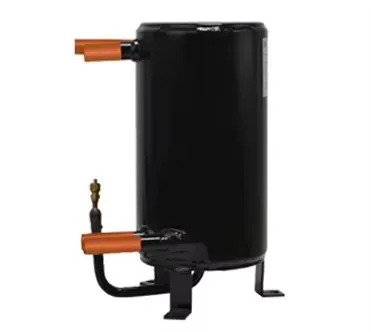
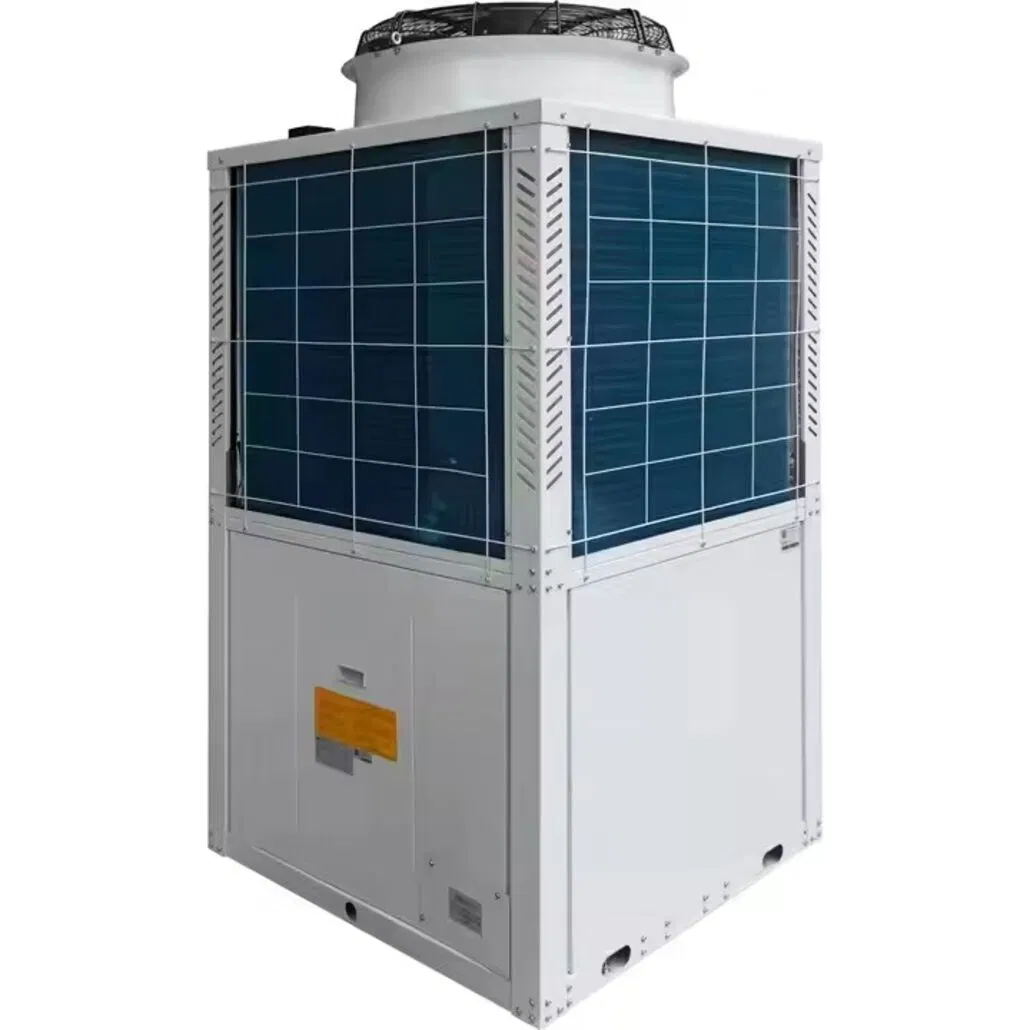
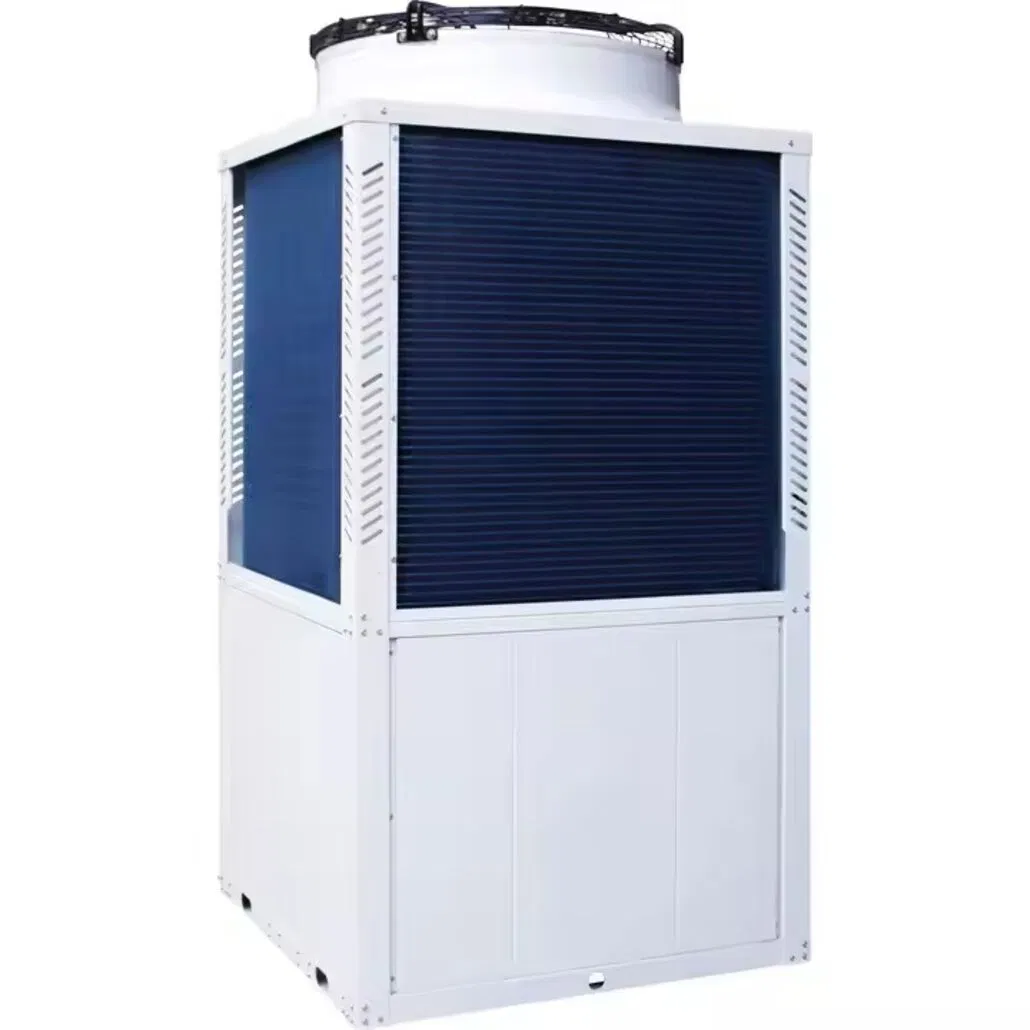
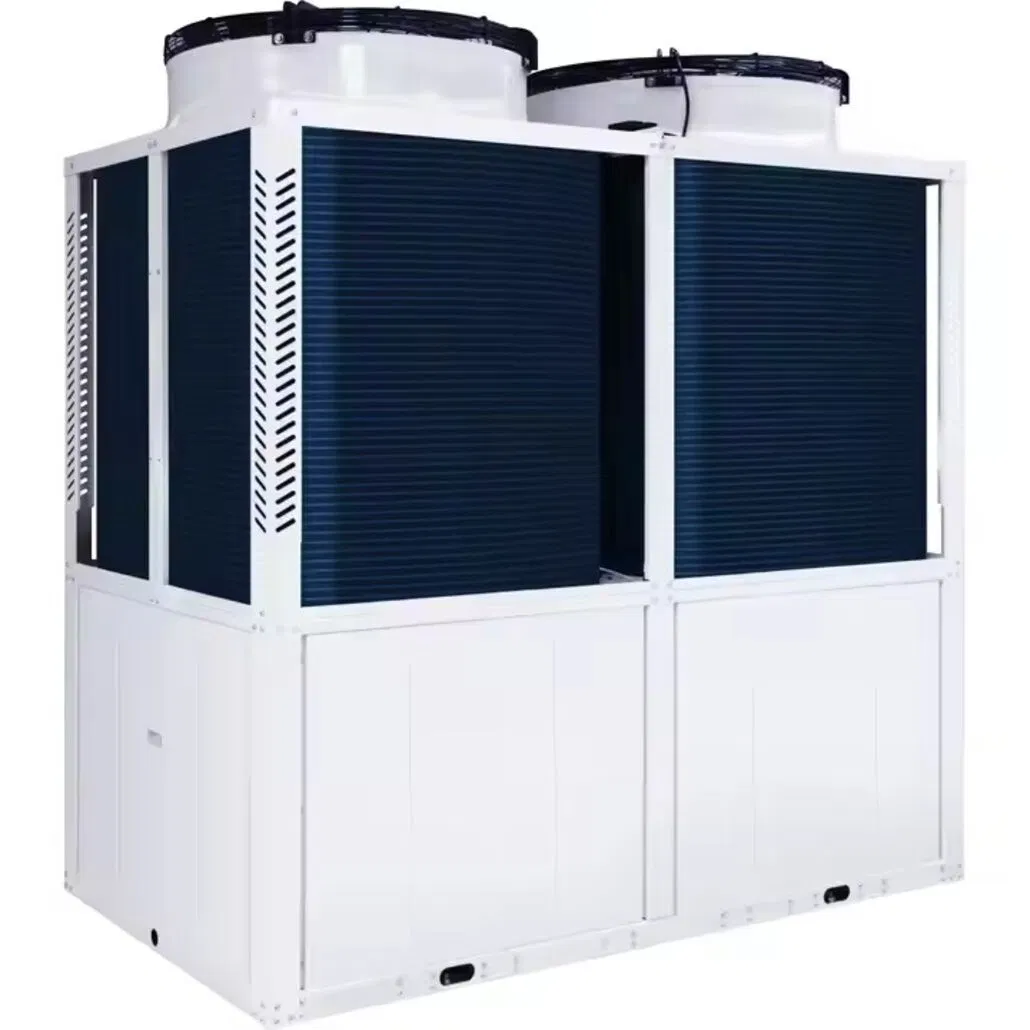
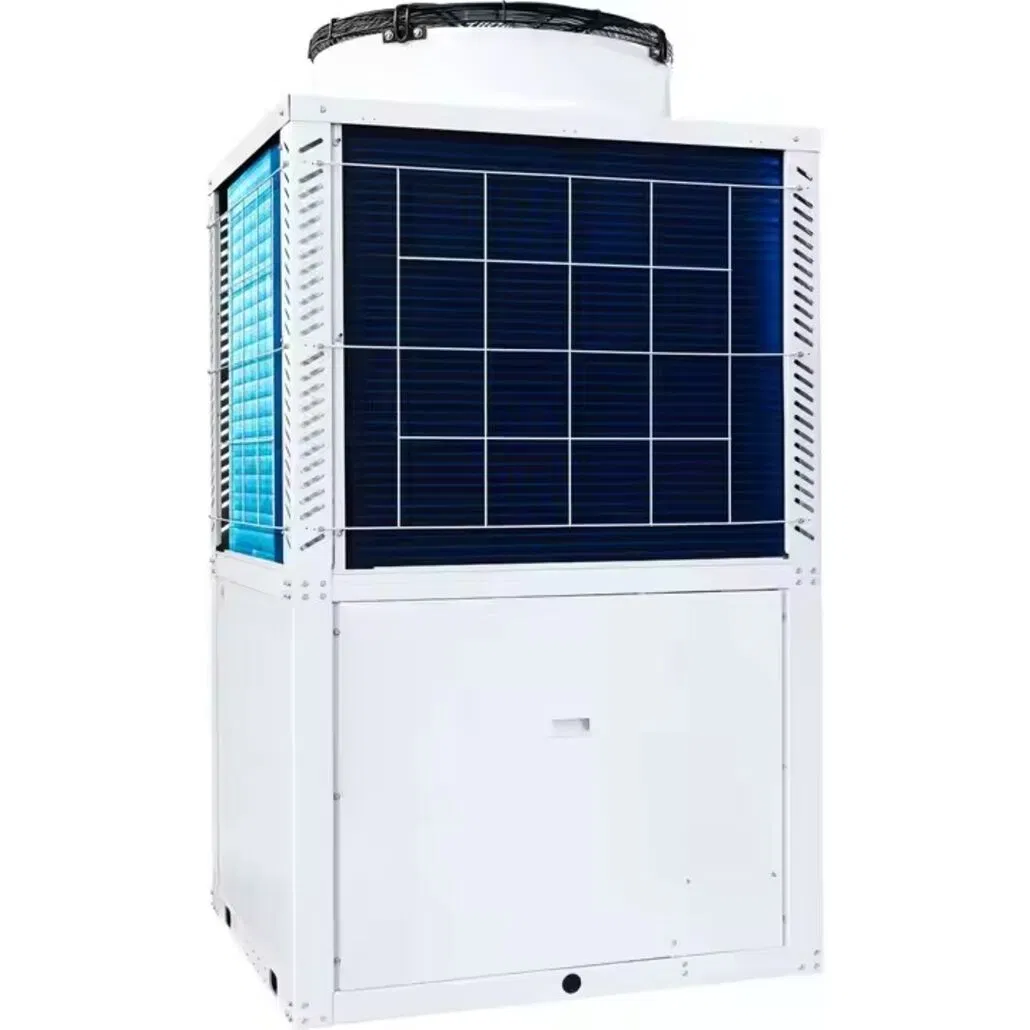
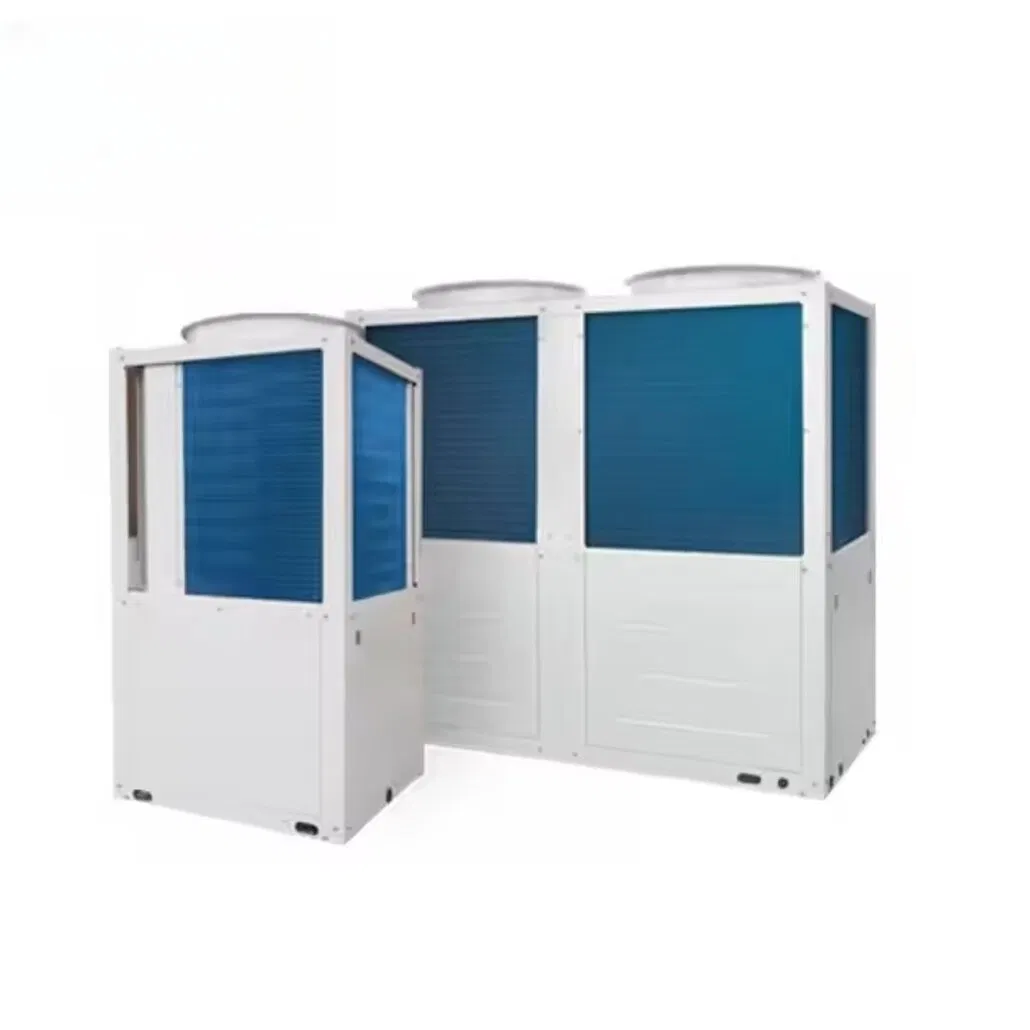
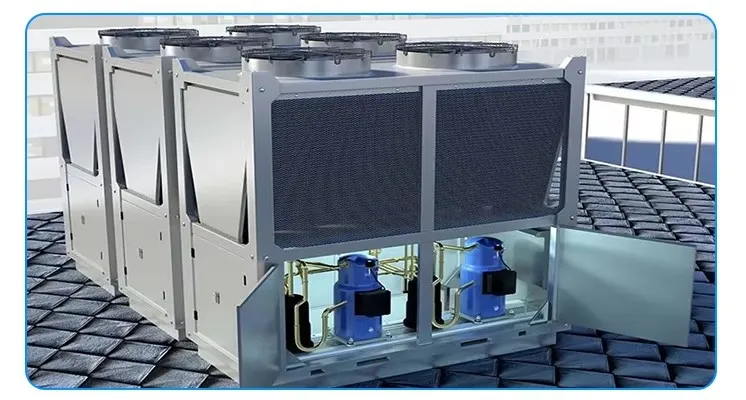
The unit can achieve mutual backup within various systems within the same module and between different modules. Each single module is designed with a dual-system setup, where one system continues normal operation in the event of a failure in the other system.
In a multi-module configuration, if a module experiences a failure or requires maintenance, the remaining modules continue to operate normally. This ensures consistent and stable output from the unit, minimizing temperature fluctuations caused by maintenance and repairs.
| Operating Voltage | 380V / 50Hz |
| Power Range | 19.2 ~ 38.4 kW |
| Product Efficiency | First level energy efficiency, with a partial load energy efficiency ratio of 4.49 to IPLV. |
| Working Temperature | Wide operating range: -18 ºC to 48 ºC ambient temperatures. |
| Refrigerant | R410A environmentally friendly refrigerant (No chlorine, ozone friendly). |
| Additional Features | Size optimization (44% space saving), Anti-resonance technology, Multiple safety protection. |
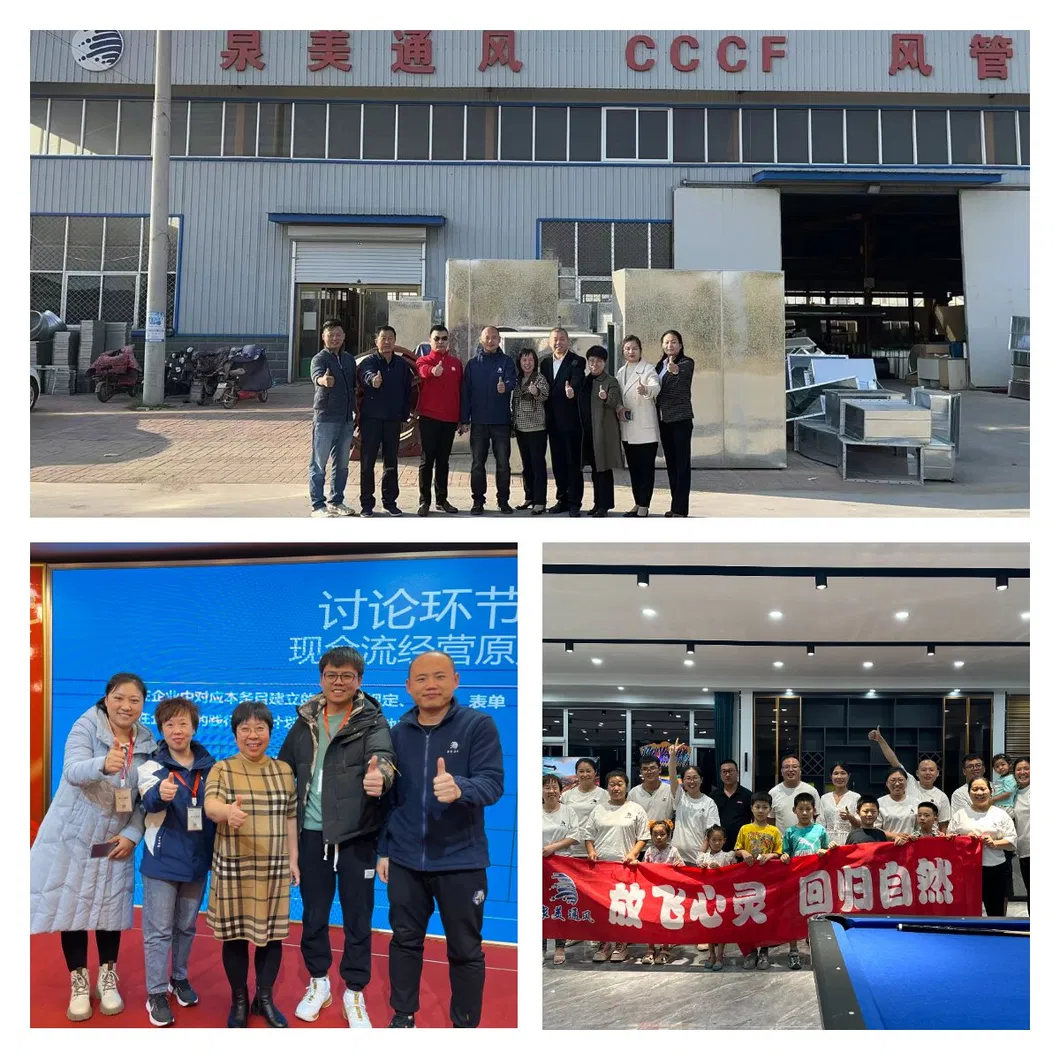
We are a modern high-tech enterprise integrating the design, development, manufacturing, sales, installation, and technical services of central air-conditioning system engineering. Our facility integrates science, technology, and ecological environment to provide superior industrial solutions.