Can I Use a Heat Pump for Cooling and Hot Water Needs?

Time:2026-06-04 Author:Aria
0%

Heat pumps are increasingly popular in modern energy solutions. They offer efficient heating and cooling options for homes. One common question arises: "Can I use a heat pump for both cooling and hot water?" This inquiry is vital for homeowners seeking versatility and efficiency in their energy systems.

Heat pumps can provide both cooling during hotter months and hot water year-round. This dual functionality can simplify your energy needs. Imagine a system that adapts to your home’s requirements, saving money and space. However, it is crucial to consider specific factors, such as the size of the heat pump and your home’s insulation.

Reliability matters, too. Not all heat pumps are created equal. Some may require upgrades or additional components to meet both cooling and hot water demands. Homeowners may face challenges in selecting the right model. There is a need for professional assessment to ensure optimal performance. Thorough research and expert advice can help navigate this intricate decision.
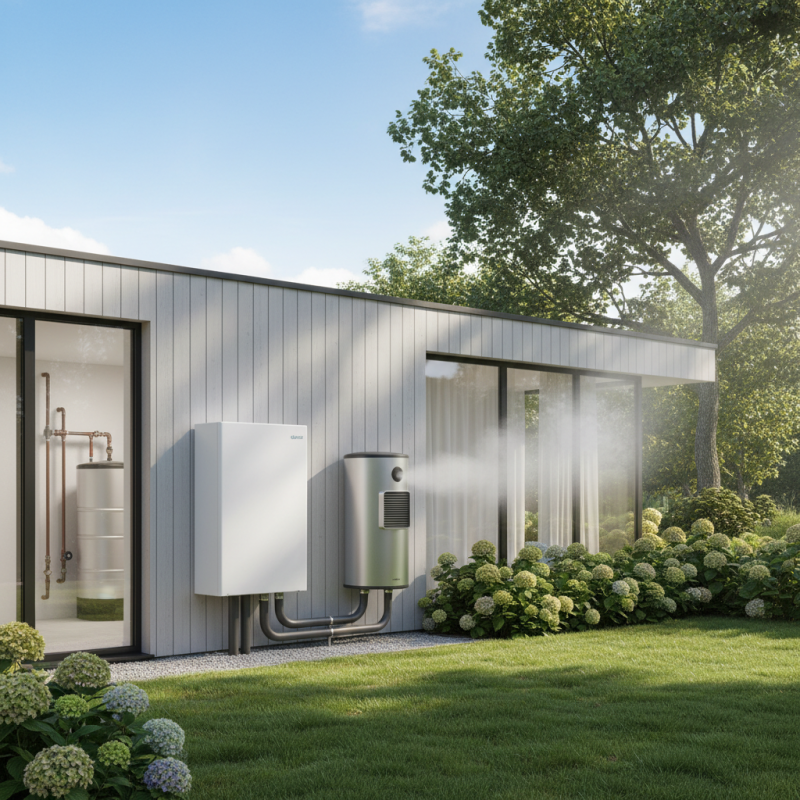
Can I Use a Heat Pump for Cooling and Hot Water Needs?

Overview of Heat Pumps and Their Functionality

Heat pumps have gained significant traction in the HVAC industry. They efficiently provide both heating and cooling solutions. Their ability to transfer heat via a refrigeration cycle is notable. In cooling mode, they absorb heat from indoors and release it outside. This dual functionality is crucial, especially as energy efficiency becomes a priority for homeowners.

A report by the International Energy Agency indicates heat pumps can reduce energy consumption by up to 50% compared to conventional heating systems. They use electricity to move heat rather than generate it. This mechanism makes them particularly appealing in regions with extreme temperatures. However, in colder climates, their efficiency can diminish. Users might need auxiliary systems in freezing conditions.

In addition to air conditioning, heat pumps can generate hot water. They can heat water more efficiently than traditional electric heaters. According to the U.S. Department of Energy, heat pump water heaters can be two to three times more efficient than standard electric resistance water heaters. Nonetheless, the initial investment is higher. Consumers often need to weigh long-term savings against upfront costs. Understanding how these systems operate is vital for informed decisions.

Heat Pumps for Cooling: How They Work

Heat pumps have gained traction as an efficient solution for both cooling and hot water needs. Their cooling functionality relies on a refrigeration cycle. This cycle transfers heat from indoors to the outside, keeping spaces cool. According to the U.S. Department of Energy, heat pumps can be 300% to 400% more efficient than traditional air conditioning systems.

However, not all heat pumps function equally in cooling. The type of system—air-source, ground-source, or water-source—matters. Air-source heat pumps, for example, draw heat from the air. They can be less efficient in extreme temperatures. In contrast, ground-source pumps leverage stable underground temperatures. These systems tend to provide consistent cooling, especially in hotter climates.

The upfront costs of heat pumps can be higher than traditional methods. While they save on energy bills, the initial investment requires careful consideration. Not all homes are suited for these systems, depending on existing infrastructure and climate. Thus, conducting a detailed assessment is crucial before making a decision.

Heat Pumps for Hot Water: Energy Efficiency and Cost-Effectiveness

Heat pumps have emerged as a versatile solution for both cooling and hot water needs. According to the U.S. Department of Energy, heat pump systems can produce up to three times more energy than they consume. This impressive efficiency makes them a popular choice for homeowners, especially in regions with moderate climates. The energy savings can be significant, often reducing heating costs by 50% compared to traditional systems.

When it comes to hot water, heat pumps can be particularly effective. They extract heat from the air or ground to heat water, which uses less electricity. Industry reports indicate that a heat pump water heater can be two to three times more efficient than standard electric water heaters. Despite the higher initial investment, the long-term savings on utility bills can offset the costs significantly.

However, heat pumps may not be the perfect solution for every situation. In colder climates, their efficiency can decrease, prompting some users to reconsider their choices. Installation may also require adjustments to existing plumbing or ductwork. It's essential to evaluate local climate conditions and energy prices before making a decision, as these factors can influence the overall cost-effectiveness of heat pumps.

Can I Use a Heat Pump for Cooling and Hot Water Needs?

Feature Cooling Efficiency (SEER) Heating Efficiency (HSPF) Energy Usage (kWh/year) Average Installation Cost ($) Annual Savings Estimate ($)
Air Source Heat Pump 15 8 3,500 4,500 600
Ground Source Heat Pump 20 10 2,800 8,000 1,200
Ductless Mini-Split Heat Pump 18 9 3,000 5,000 700

Benefits and Limitations of Using Heat Pumps for Dual Purposes

As energy costs rise, heat pumps gain popularity for both cooling and hot water needs. A study by the U.S. Department of Energy indicates heat pumps can reduce energy use by 30-40% compared to traditional systems. However, using them for dual purposes comes with benefits and limitations.

One notable benefit is their efficiency. Heat pumps can provide heating, cooling, and even hot water all from one system. This multifunctionality simplifies installation and maintenance. They operate by transferring heat rather than generating it, which can lead to significant cost savings. Yet, performance can drop in extreme temperatures, making them less reliable in harsher climates.

Tips: When considering a heat pump, evaluate your local climate. Determine your hot water needs. Additionally, installing a heat pump with a backup system might be wise for colder regions. This approach ensures you have reliable heating, even when temperatures plummet.

Another limitation is the upfront cost. While long-term savings are substantial, initial investment can be high. It might take several years to recoup the costs. Homeowners should weigh their options carefully. Ensure your system is appropriately sized for your space to maximize efficiency and performance.

Installation Considerations for Combined Heating and Cooling Systems

When considering a heat pump for both cooling and hot water needs, installation plays a crucial role. Choosing the right location for the outdoor unit is vital for efficiency. Ensure it has ample space around it for proper air circulation. This can significantly affect the heat pump’s performance and longevity.

Tips: Always check local building codes before installation.

Integrating a heat pump system requires careful planning. It’s essential to assess your home's insulation. Poor insulation can lead to energy loss. A thorough home energy audit helps identify improvement areas. This ensures that your system will operate efficiently.

Tips: Consider professional installation to avoid common pitfalls.

Using a heat pump for dual purposes can be complex. Mixing heating and cooling functions in one unit might not meet all your needs. Some users find seasonal performance varies. Be prepared for potential adjustments in your system settings. Regular maintenance checks are necessary to keep the system running smoothly.

FAQS

: What are the main benefits of using a heat pump?

: Heat pumps provide heating, cooling, and hot water from one system. This saves space and simplifies maintenance.

How much can heat pumps reduce energy use?

They can reduce energy consumption by 30-40% compared to traditional systems.

Are there limitations to using heat pumps in extreme climates?

Yes, their performance may decline in very cold or hot conditions. Reliability can be an issue during harsh weather.

What should I consider before installing a heat pump?

Assess your local climate and hot water needs. An appropriately sized system is crucial for efficiency.

Is the initial cost of a heat pump high?

Yes, upfront costs can be significant. It may take years to achieve savings that cover this investment.

How important is the installation location for heat pumps?

Very important. The outdoor unit needs space for air circulation. Poor placement can affect performance.

Should I conduct a home energy audit?

Absolutely. An audit helps identify insulation issues and optimizes the system's efficiency.

What can I do to ensure my system operates well?

Regular maintenance checks are essential. Adjustments may be needed to maintain performance over time.

Why is professional installation recommended?

Professional help can prevent common installation issues. It ensures your system works efficiently from the start.

Can heat pumps meet all my heating and cooling needs?

Not always. Some users may find mixed performance seasonally, requiring adjustments and compromises.

Conclusion

Heat pumps are versatile systems that can provide both cooling and hot water, making them an efficient choice for homeowners. When asking, "Can I use a heat pump for both cooling and hot water?" the answer is yes; heat pumps can effectively transfer heat from one area to another, depending on the season. In cooling mode, they absorb heat from the indoor space and release it outside, while in heating mode, they extract heat from the outdoors to warm up indoor spaces or provide hot water.

The energy efficiency of heat pumps makes them cost-effective for dual purposes, reducing utility bills compared to traditional heating methods. However, there are benefits and limitations to consider, such as installation requirements and the climate's impact on performance. Homeowners should carefully evaluate these factors when contemplating a combined heating and cooling system to ensure optimal functionality and efficiency.

Aria

Aria

Aria is a dedicated marketing professional with a deep passion for innovative strategies and a keen understanding of our company's product offerings. With a wealth of experience in the industry, Aria excels at crafting engaging content that highlights the unique features and benefits of our......