How to Choose a DC Inverter Over an AC Inverter?

Time:2026-10-31 Author:Henry
0%

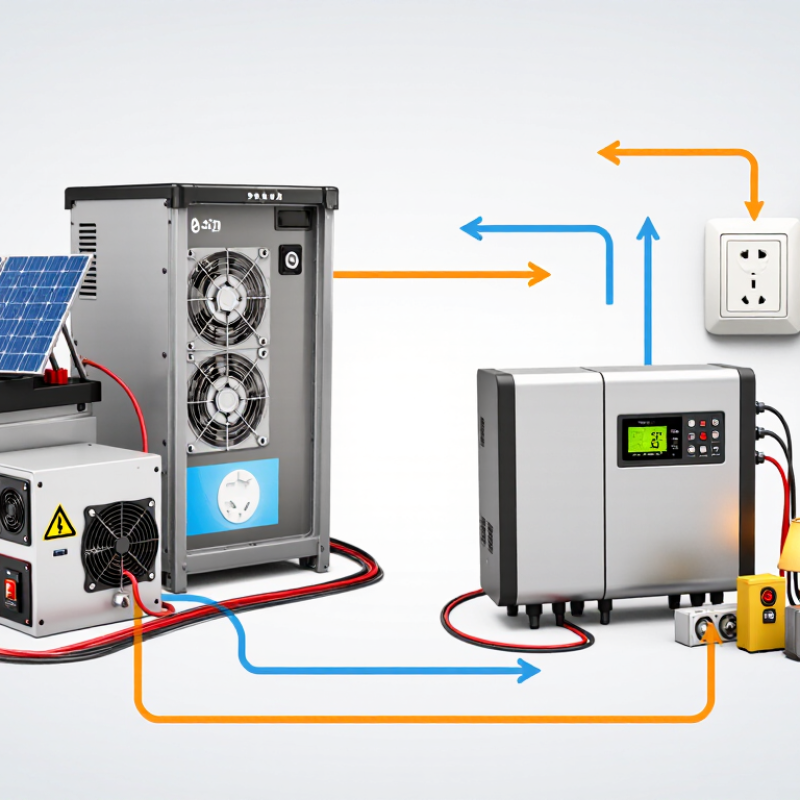
Choosing between a DC inverter and an AC inverter is easier when you start with the power source and the equipment you need to run. A DC inverter takes power from a direct-current source, such as a battery or solar storage system, and converts it into alternating current for compatible appliances. The term “AC inverter,” however, is not used consistently across product listings. It may refer to equipment designed around AC input or an AC-powered system, so check the manufacturer’s specifications rather than relying on the label alone.

Why choose a DC inverter over an AC inverter? It can be a practical fit when your energy is stored as DC, because it may avoid an extra conversion step. That can matter in a van, cabin, or backup setup where every watt-hour counts. Small details matter. Compare the inverter’s continuous and surge ratings with the actual load: a refrigerator, for example, may briefly draw more power when its compressor starts. Check input voltage, output waveform, efficiency at typical loads, and protection features too. No inverter type is best in every situation. Battery chemistry, wiring, appliance requirements, and installation quality all affect performance. Specifications can look reassuring on paper, but real loads vary. If the system involves fixed wiring or high power, have a qualified installer verify compatibility and safe installation before choosing a unit.
How to Choose a DC Inverter Over an AC Inverter?

Understanding How DC and AC Inverters Operate

A DC inverter takes direct current from a battery or solar panel and switches it into alternating current for household loads. Its power electronics rapidly turn current on and off, then shape the pulses into a usable AC waveform. Pulse-width modulation controls the output’s frequency and voltage. That is the useful part. But conversion is never lossless: heat inside the inverter is energy that does not reach your appliance.

“AC inverter” can mean different things. In an inverter air conditioner, incoming AC is typically rectified to DC, then switched back into variable-frequency AC to control the motor’s speed. For a battery system, a DC-input inverter is the direct conversion step; an AC-input model may add another conversion stage. NREL’s PVWatts technical reference uses 96% as its default inverter-efficiency assumption, not a guarantee for every installation. That gap matters. Check the input voltage, continuous and surge ratings, and efficiency near your usual load. I would also question any choice based only on peak efficiency: a unit may perform differently at low power, where a small fridge spends much of its day.

How to Choose a DC Inverter Over an AC Inverter?

Understanding How DC and AC Inverters Operate

A DC-input inverter is suitable when your available power source is DC, such as a battery, and you need AC power for compatible equipment. This idealized example shows a 12 V DC input and a 120 V RMS, 60 Hz AC output. The AC waveform reaches approximately 169.7 V peak; actual inverter output depends on its design and load.

Comparing Efficiency, Output, and Power Quality

How to Choose a DC Inverter Over an AC Inverter?

Comparing Efficiency, Output, and Power Quality

The labels can be confusing: an inverter typically converts DC power into AC output. Compare the power source and conversion path, rather than assuming “DC” means more efficient. NREL’s PVWatts model uses 96% as its default nominal inverter efficiency. That is a modeling assumption, not a promise for every device or operating condition. Efficiency can fall when a unit runs far below its rated load, so check performance data at the loads you expect.

Output matters just as much. Match continuous power and short-term surge capacity to the equipment: a motor may briefly demand much more power when starting than while running. Check the output voltage, frequency, and waveform, too. Sensitive electronics and audio equipment may respond poorly to unstable voltage or a rough waveform. Efficiency alone can mislead. A neat specification sheet may not reflect hot, cramped installation conditions.

Tips: Compare published efficiency curves, not one peak figure. Check surge ratings and waveform specifications, then measure voltage under a real load if possible. Leave room for ventilation. It sounds basic, but it is easy to overlook.

Matching Inverter Types to Power Sources and Loads

How to Choose a DC Inverter Over an AC Inverter?

Match the inverter to the source first. A DC-input inverter takes power from batteries or solar panels and supplies AC for household loads. An AC supply usually needs a charger, converter, or suitable backup system; “AC inverter” can mean different things across product categories, so check the input and output specifications. A fridge may run steadily, while its compressor draws a brief startup surge. Size for that surge, not just the wattage on its label.

For solar systems, array and inverter capacity also need to work together. NREL’s 2024 Annual Technology Baseline models utility-scale solar with a 1.34 DC-to-AC ratio: the panel array’s rated DC capacity is higher than the inverter’s AC rating. This is a planning benchmark, not a universal household rule. A ratio that suits a large solar farm may not suit a small battery setup. That distinction is easy to miss.

Tips: Check the source voltage, continuous and surge ratings, and load type before choosing. For a battery system, confirm the inverter’s low-voltage cutoff and battery compatibility. For sensitive electronics, compare output waveform specifications. Leave room for future loads, but avoid oversizing without reason. The numbers can look straightforward; real startup behavior sometimes isn’t.

Assessing Installation, Safety, and Operating Costs

Choosing between a DC inverter and an AC inverter starts with checking the power source and the equipment you plan to run. The labels can mean different things across applications, so compare input voltage, output type, continuous capacity, and surge rating. A pump may draw several times its normal power when starting. Check its nameplate, not just the running wattage.

Installation affects safety and cost. DC systems can carry high currents, especially at low voltage, so long or undersized cables may heat up. Use correctly rated cables, secure connections, and suitable overcurrent protection close to the battery. AC wiring also needs proper grounding and isolation. Keep the inverter dry, ventilated, and accessible for inspection. Small details matter.

Operating costs depend on the whole system, not the inverter alone. A DC-powered device may avoid an extra conversion step, but only if its voltage and load match the supply. Otherwise, an AC output may suit common household equipment better. Compare efficiency under your usual load, idle consumption, cable costs, and expected maintenance. I would not choose by purchase price alone; real usage is easy to underestimate. Check the manufacturer’s technical documentation and have a qualified installer assess unfamiliar wiring.

FAQS

What does a DC-input inverter do?

It takes DC power from a battery or solar panels and supplies AC power. Check both input and output specifications.

Is a DC inverter always more efficient?

No. Efficiency depends on the unit, load, and operating conditions. It can drop when the inverter runs far below its rated capacity.

What efficiency details should I compare?

Review efficiency curves at the loads you expect, not just one peak figure. A single number can be misleading.

How should I size an inverter for a fridge or motor?

Check continuous power and startup surge capacity. A compressor or motor may briefly draw much more power when starting.

Why do voltage, frequency, and waveform matter?

Sensitive electronics and audio equipment may respond poorly to unstable voltage or a rough waveform. Check the specifications.

What does “AC inverter” mean?

The term can describe different setups. An AC source may need a charger, converter, or suitable backup system, so verify the power path.

Is a 1.34 solar DC-to-AC ratio right for a home system?

Not necessarily. That ratio is a utility-scale planning benchmark, not a universal household rule. I still find this distinction easy to miss.

What should I check before installing an inverter?

Confirm source voltage, battery compatibility, low-voltage cutoff, and load requirements. Leave room for ventilation. Check voltage under a real load if possible.

Conclusion

Choosing between a DC inverter and an AC inverter starts with understanding how each handles power. A DC inverter converts direct current into alternating current for compatible equipment, while systems described as DC inverters may also use DC power directly or regulate it for specific loads. Compare conversion efficiency, expected output, and power quality, since voltage stability and waveform can affect sensitive devices and overall performance.

Why choose a DC inverter over an AC inverter? It may be a better fit when the available power source and connected loads favor a DC-based setup, potentially reducing unnecessary conversions. An AC inverter can be more practical when equipment requires standard AC power. Before deciding, assess compatibility, installation requirements, protection and ventilation needs, and total operating costs, including conversion losses and maintenance. The right choice depends on the complete power system, not just the inverter type.

Henry

Henry

Henry is a dedicated marketing professional with a profound expertise in the company's offerings. With years of experience in the industry, he possesses an impressive understanding of the market dynamics and consumer behaviors that drive success. Henry is committed to sharing his insights through......