China Top 10 Swimming Pool Heat Pumps How to Winterize Them?

Time:2026-11-07 Author:Liam
0%

As temperatures fall, a swimming pool heat pump needs more than a cover. Water trapped inside its heat exchanger can freeze, expand, and damage costly components. A careful shutdown protects the unit and helps it start reliably when warm weather returns. Small details matter.

Pool educator Rudy Stankowitz is known for practical pool-care guidance. Applying that cautious approach to winterizing, the reminder is: “Drain every water path, then verify it is empty.” This is an editorial paraphrase, not a verbatim quotation. The steps still depend on your exact model. Check the manufacturer’s manual before closing valves or removing drain plugs.

This guide explores China’s top 10 swimming pool heat pumps and explains How to winterize a swimming pool heat pump? You’ll learn how to isolate power, disconnect plumbing where required, drain the heat exchanger, and protect exposed connections. A small stream of water can hide behind a fitting. Water freezes fast. Even experienced owners can miss a drain point; I might, too, which is why a second inspection is worthwhile. The right method varies by design and climate, so avoid relying on guesswork or a generic checklist alone. A few careful minutes with the manual can prevent a cracked component and an expensive spring repair.
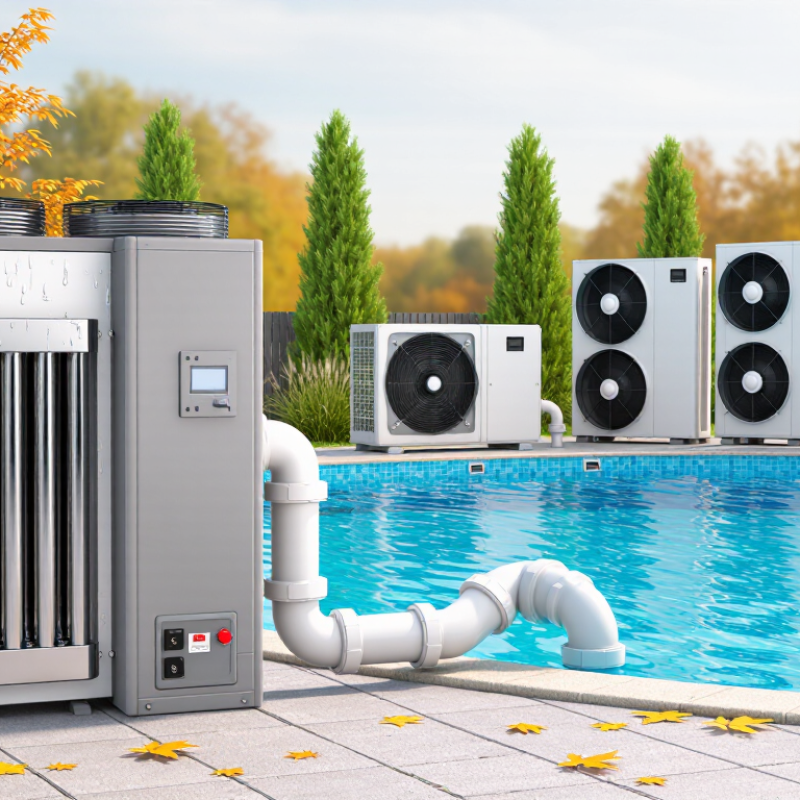
China Top 10 Swimming Pool Heat Pumps How to Winterize Them?

How to Identify China’s Top 10 Swimming Pool Heat Pumps

To identify China’s top ten swimming pool heat pumps, start with evidence, not sales rankings. Check whether each manufacturer publishes heating capacity, coefficient of performance, and test conditions. A COP figure means little without the air and water temperatures used during testing. Ask for independent test reports and compare units at the same conditions. Keep the comparison fair.

Next, examine practical details. Look for a stated operating-temperature range, sound levels measured at a specified distance, and materials suited to humid, chlorinated pool areas. Confirm that the heat exchanger resists corrosion and that electrical components are protected from moisture. Review warranty terms, spare-parts availability, and response times for technical support. A polished brochure is not proof. Request a sample performance curve and a written service process before shortlisting a unit.

A useful top-ten list should explain its scoring method, such as efficiency, reliability evidence, installation flexibility, and after-sales support. Check factory addresses and product documentation directly, rather than relying only on reseller descriptions. If winter use matters, verify freeze protection and the manufacturer’s shutdown instructions; features vary by model. I would not treat one impressive laboratory number as a complete verdict. Real pool conditions can be messier.

How Pool Heat Pumps Work and What Sets Leading Models Apart

A swimming pool heat pump transfers warmth from outdoor air into the water. A fan draws air across an evaporator, where refrigerant absorbs heat. The compressor raises the refrigerant’s temperature, then a heat exchanger passes that warmth to circulating pool water. The cycle uses electricity, but it does not generate heat like a gas heater. It works best when the air is mild and the pool’s water flow is steady. On chilly mornings, heating may take longer.

Leading models differ in how well they handle changing conditions. Inverter compressors can adjust output instead of repeatedly switching between full power and off. Low-temperature operation and automatic defrost can help in cooler weather, while a corrosion-resistant heat exchanger matters around treated pool water. Look for clear flow and temperature displays, accessible service panels, and published sound levels. Quiet matters near a patio. So does correct sizing.

Efficiency figures need careful reading. A published coefficient of performance depends on air temperature, humidity, and water temperature during testing, so one number cannot describe every backyard. Compare models under similar test conditions, and ask a qualified installer to check local climate, pool size, and plumbing flow. For winter storage, follow the manual’s draining steps; trapped water can freeze and damage internal parts. It is easy to assume a cover is enough. It isn’t always.

How Pool Heat Pumps Work—and How to Winterize Them

A heat pump moves heat from outdoor air into pool water. The chart shows an illustrative energy balance: for each 1 kWh of electricity used, 4 kWh of heat is collected from the air, delivering 5 kWh of heat to the pool (COP 5). Actual performance varies with air and water temperatures and the equipment.

Winterizing essentials: Follow the unit manual; switch off and isolate power, bypass the heat pump if the plumbing allows, and drain all water from the heat exchanger and connected pipes using the specified drain points. Remove drain plugs only as directed, leave them out for the winter if instructed, and use a breathable protective cover if recommended. Trapped water can freeze and damage the equipment.

How to Prepare a Swimming Pool Heat Pump for Winter

Before freezing weather arrives, shut off the heat pump at its breaker and isolate the water lines. Follow the unit’s manual: drain the heat exchanger completely, remove its drain plugs, and disconnect unions if specified. Water trapped inside can expand as it freezes and damage internal passages. A small wet-dry vacuum may help clear low points, but avoid forcing high-pressure air through the exchanger. Small parts matter. Label and store plugs where they will not disappear by spring.

The U.S. Department of Energy’s Energy Saver guidance says air-source heat pumps can deliver roughly two to four units of heat per unit of electricity under suitable conditions. That efficiency figure is not a winter-storage guarantee; residual water can still cause costly damage. Keep the equipment cover dry and breathable, and do not wrap the cabinet tightly in plastic, which can trap moisture. Check the manual for drainage points and cover instructions, since layouts differ. I would also inspect the base after the first freeze. It is easy to miss a low spot. Keep leaves and snow clear of the air inlet, and leave electrical work to a qualified technician.

How to Drain, Protect, and Cover the Heat Pump Safely

Drain, Protect, and Cover the Heat Pump Safely

Before freezing weather, switch off the heat pump at the breaker and stop the circulation pump. Close isolation valves if fitted, and follow the unit’s manual because drain locations vary. Remove the water unions and drain plugs, then allow the heat exchanger to empty fully. Water can remain in low bends. Avoid high-pressure air, which may damage internal parts. Leave drain plugs out during storage and check for a final trickle. It is easy to miss.

The U.S. Department of Energy’s Energy Saver guidance reports typical pool heat-pump COPs of 3.0–7.0 and notes that these units work best when outdoor temperatures exceed roughly 45–50°F. Those figures explain why winter shutdown matters; they do not replace model-specific instructions. After draining, keep debris and insects out of exposed connections, but do not trap moisture under plastic. Secure a breathable cover without pressing it against the fan grille. Keep snow and stored items off the cabinet. Before spring startup, remove the cover, reinstall plugs, check for leaks, and restore power only after water flow is confirmed. I still double-check each drain point; manuals can be frustratingly specific.

China Top 10 Swimming Pool Heat Pumps: How to Winterize Them Safely

A practical winterization checklist for common air-source pool heat pumps. Follow the unit’s installation and operating manual first, since drain locations and plumbing layouts vary.

Step Winterizing Task What to Do Why It Matters Safety Note
1 Choose the right time Winterize when the pool will no longer need heating and before temperatures can fall below freezing. Check the local forecast and allow enough time to complete the shutdown. Water left inside the heat exchanger or connected pipework can freeze and expand. Do not wait for the first hard freeze.
2 Turn off electrical power Switch off the heat pump at its electrical isolator or circuit breaker. Follow the manual’s shutdown procedure and prevent accidental restart while working. This reduces the risk of electric shock and prevents the unit from operating without water flow. Do not open electrical enclosures unless qualified to do so.
3 Stop and isolate water flow Turn off the pool circulation system, then close the inlet and outlet isolation valves if the plumbing has them. Isolating the unit helps prevent pool water from continuing to enter while connections are opened. Never run the heat pump without the required water flow.
4 Disconnect water connections Open the heat pump’s water unions or connections as directed in its manual. Keep hands and tools clear of electrical parts and support the pipework as needed. Open connections allow water trapped in the water circuit to drain more freely. Do not force stuck fittings or put strain on the plumbing.
5 Drain the heat exchanger Remove the designated drain plugs, if fitted, and allow water to drain completely. Check all specified drain points; some models may have more than one. Residual water can freeze inside the heat exchanger and cause costly damage. Use only the drain points identified by the manufacturer.
6 Clear connected pipework Drain exposed pipe sections and low points that can hold water. If the system requires a blowing-out procedure, use only the method and pressure specified in the equipment instructions. Water may remain in pipes even after the heat pump itself has drained. Excessive compressed-air pressure can damage plumbing or equipment.
7 Check drain openings Confirm that water has stopped draining and that drain openings are clear. Leave plugs or connections in the position specified for winter storage. A blocked drain or incorrectly reinstalled plug can leave water trapped inside. Do not seal the unit in a way that traps water or moisture.
8 Clean the exterior Remove leaves and debris from around the unit. Gently clean the air inlet and outlet areas without bending the fins or spraying water into electrical components. Clear airflow paths help keep the unit in good condition during storage and at restart. Avoid sharp tools and high-pressure water on the coil.
9 Protect and cover the unit Use a cover intended for the heat pump, or a breathable weather-resistant cover where permitted by the manual. Secure it against wind and keep the base and drainage area unobstructed. A suitable cover can reduce exposure to debris and weather during the off-season. Do not use a sealed cover that traps moisture, and never operate the unit while covered.
10 Inspect before spring restart Remove the cover, reinstall plugs and water connections as instructed, check for leaks, restore water flow, and only then restore electrical power and start the unit. A pre-start check helps identify leaks or obstructions before normal operation. Confirm correct water circulation before switching the heat pump on.

How to Restart and Inspect the Heat Pump in Spring

How to Restart and Inspect a Pool Heat Pump in Spring

Before switching on a winterized pool heat pump, check the equipment pad for standing water, cracked fittings, loose wiring covers, and debris. Remove leaves from the air intake and outlet, but avoid bending the thin coil fins. Confirm that drain plugs are back in place and valves are open. Restore water circulation before connecting power; running the unit without adequate flow can damage it. If you find damaged wiring or a refrigerant leak, stop and contact a qualified technician.

Start the circulation pump and inspect the heat pump’s unions for drips. Check the filter and confirm that water flows steadily through the unit. Only then restore power and follow the operating sequence in the manual. Some models need a certain outdoor temperature before heating begins, so check the stated limits. A brief delay may be normal. Watch the fan, listen for unusual rattling, and look for error codes. A little condensation beneath the unit can be normal, but persistent leaking deserves attention.

Tips: Keep the manual nearby, and take a photo of valve positions before changing them. Check pool water chemistry before extended heating. It is easy to miss one closed bypass valve after winter; recheck the flow path if the unit starts but does not heat.

FAQS

How can I compare swimming pool heat pumps fairly?

Compare heating capacity and COP under the same air and water temperatures. Numbers need context.

What should a published COP figure include?

It should state the test conditions. Ask for an independent report or performance curve before trusting one impressive number.

Which practical details matter when shortlisting models?

Check operating-temperature range, sound level and measurement distance, corrosion-resistant materials, and moisture protection. Brochures alone are weak evidence.

How can I judge a manufacturer’s support?

Review warranty terms, spare-parts availability, and technical response times. Ask for the service process in writing.

What should a useful top-ten list explain?

It should describe its scoring method, including efficiency, reliability evidence, installation flexibility, and after-sales support. A ranking without clear criteria is hard to assess.

What should I check before winter shutdown?

Confirm the model’s freeze-protection features and shutdown instructions. Heat-pump drain locations vary, so follow the manual.

How do I drain a heat pump before freezing weather?

Switch off power at the breaker and stop the circulation pump. Close isolation valves if fitted, then remove water unions and drain plugs. Check low bends for trapped water.

Should I use high-pressure air or wrap the unit tightly?

Avoid high-pressure air; it may damage internal parts. Keep debris out, but use a breathable cover that does not press against the fan grille. I would double-check the drain points.

What should I do before spring startup?

Remove the cover, reinstall plugs, check for leaks, and restore power only after confirming water flow. One missed step can matter.

Conclusion

This guide explains how to identify China’s top 10 swimming pool heat pumps by comparing practical features such as heating performance, energy efficiency, operating conditions, and ease of maintenance. It also describes how pool heat pumps transfer heat and what can distinguish leading models, helping readers understand which characteristics matter when choosing equipment for a pool.

How to winterize a swimming pool heat pump? Begin by switching off and isolating the power, then follow the unit’s instructions to drain water from the heat exchanger and connected plumbing. Protect the equipment from moisture and freezing temperatures, and use a suitable cover that allows ventilation. Before restarting in spring, remove the cover, inspect the unit and connections for damage or debris, restore water flow, and check that the system operates normally before regular use.

Liam

Liam

Liam is a dedicated marketing professional with a profound expertise in the industry, where he excels at highlighting the unique advantages of our core products. With a keen understanding of market trends and consumer needs, Liam frequently updates our company’s professional blog, providing......