China Top 10 Heat Pumps How to Calculate Your ROI?

Time:2026-11-21 Author:Henry
0%

Choosing among China’s top 10 heat pumps is not just a comparison of prices. The real question is how quickly a unit can repay its higher purchase and installation cost. How to calculate the ROI of switching to a heat pump? Start with a clear baseline: current fuel use, local energy tariffs, installation costs, maintenance, and any eligible incentives.

The International Energy Agency’s 2022 report, The Future of Heat Pumps, says heat pumps can be three to five times more energy-efficient than gas boilers. The U.S. Department of Energy also reports that heat pumps can reduce electricity use for heating by up to 75% compared with electric resistance heating. Those figures are useful reference points, not guaranteed household savings. Climate, building insulation, system sizing, and installation quality change the result. Small details matter.

IEA Executive Director Fatih Birol described heat pumps as “a key technology in the global transition to secure and sustainable heating.” For buyers in China, that wider energy case still needs a household calculation. Compare annual operating costs with the system being replaced, then divide the net upfront cost by yearly savings to estimate payback time. A longer payback may still make sense, but not for every home. This guide compares leading options and explains the assumptions behind each estimate. Real bills can be messier than a spreadsheet.
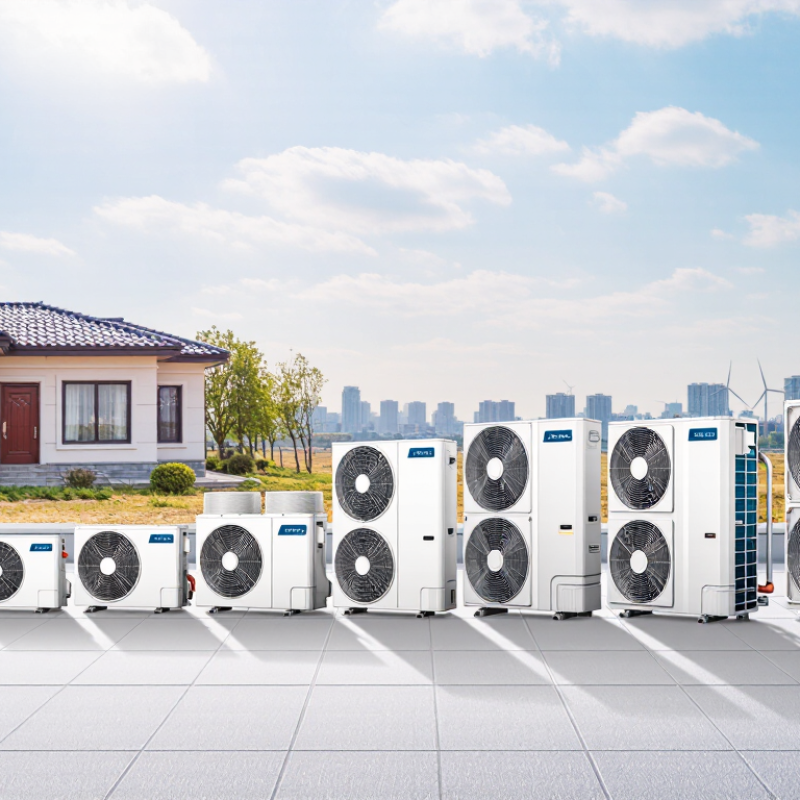
China Top 10 Heat Pumps How to Calculate Your ROI?

Rank China’s Top 10 Heat Pumps by COP at Identical Test Conditions

A fair “China Top 10 Heat Pumps” ranking needs one shared test protocol. Compare each unit at identical outdoor-air and water-outlet temperatures, with the same humidity, flow rate, and defrost rules. Record useful heat output and total electrical input, including pumps and controls. Then calculate COP as heat delivered divided by electricity used. Higher COP means better efficiency at that specific test point, not in every home.

Publish the ten results with test conditions beside each score. A unit tested at mild outdoor temperatures cannot be fairly compared with one tested in colder air. Independent laboratory measurements strengthen confidence, but field data still matter: installation quality, cycling, and user settings can change seasonal performance. A precise ranking is useful. It is not the whole story.

For ROI, combine seasonal energy use, local electricity prices, installation costs, and expected maintenance. Small assumptions can shift the payback period.

Tips

Check whether the quoted COP includes circulation pumps. Ask for the full test sheet, not just a headline number. Compare performance at your actual winter temperature and required water temperature. One detail is easy to miss: higher flow temperatures may reduce efficiency.

Estimate Annual Heat Demand; At COP 3, 1 kWh of Power Delivers 3 kWh of Heat

Before comparing China’s top 10 heat pumps, estimate how much heat your building needs each year. Use past fuel bills, local weather, floor area, and insulation quality. A drafty home with cold rooms may need more heat than its floor area suggests. Check actual usage where possible.

Tips: Record monthly energy use. Note indoor temperature and heating hours. Small details matter.

At a seasonal COP of 3, each 1 kWh of electricity delivers about 3 kWh of heat. For 12,000 kWh of annual heat demand, the pump would use roughly 4,000 kWh of electricity. Compare that cost with your current heating bills, using your local tariff. Then subtract added maintenance costs from estimated annual savings. Divide the installed cost by those net savings to estimate simple payback. COP varies with outdoor temperature, water temperature, and system setup, so a single rating may overstate real-world performance. I would treat the result as a planning estimate, not a promise; an old bill or a mild winter can skew the numbers.

Use Seasonal COP and Local Electricity Tariffs to Calculate Annual Running Costs

A heat pump’s seasonal COP is more useful than its best laboratory rating. It reflects performance across changing outdoor temperatures, including chilly mornings and milder afternoons. To estimate annual electricity use, divide the home’s yearly heat demand by the seasonal COP.

For example, 12,000 kWh of delivered heat divided by a COP of 3.5 requires about 3,430 kWh of electricity.

Multiply that figure by your local electricity tariff. At $0.18 per kWh, the estimated running cost is about $617 per year. Check your actual bill: time-of-use rates can make evening heating more expensive. Keep it local. Also account for fixed charges separately, since they may remain even when heating use changes.

A poorly insulated room, frequent defrost cycles, or backup resistance heating can push real costs above a simple estimate. That matters.

For a useful comparison, estimate heat demand from past fuel use or a professional heat-loss assessment, then apply the seasonal COP expected for your climate. Compare the result with your current annual heating bill, using consistent energy prices. The difference gives a rough yearly saving; divide the installed cost by that saving for a simple payback estimate. It is only an estimate. Weather, thermostat habits, and tariff changes can shift the result, so record actual meter use through a full heating season.

Compare Heat Pump Costs with a Boiler, Including Installation and Maintenance

A fair heat-pump-versus-boiler comparison starts with the installed price, not the equipment sticker. Include labour, pipework, electrical upgrades, radiators, controls, and removal of the old system. A replacement boiler may cost less when gas connections and radiators already suit the home. A heat pump quote can rise if insulation or larger radiators are needed. Get itemised local quotes; installation costs vary widely.

Then compare annual energy and service costs. The International Energy Agency’s 2022 report, The Future of Heat Pumps, says heat pumps can deliver three to five units of heat per unit of electricity. That efficiency does not guarantee lower bills: local electricity and gas tariffs, climate, and system design all matter. Add annual maintenance for both systems, using written estimates from qualified local technicians. Real homes differ.

Use this calculation: payback years = extra heat-pump installation cost ÷ annual bill and maintenance savings. For example, if the heat pump costs ¥20,000 more to install and saves ¥4,000 yearly, simple payback is five years. This is only an illustration. It ignores financing, repairs, and future energy-price changes. The U.S. Department of Energy’s heat-pump guidance also stresses regular filter care and professional inspection; skipped maintenance can weaken performance. Check bills from a full heating season before trusting the estimate. That part is easy to overlook.

Calculate Annual Savings, Simple Payback, and 10-Year ROI

To compare heat pumps on China’s Top 10 list, estimate your own costs rather than relying on a headline efficiency figure. Record your current annual heating bill, then estimate the heat pump’s electricity use and local electricity cost. Annual net savings equal the heating cost avoided, minus heat pump energy costs and any extra maintenance. Weather matters. Use a full year of bills when possible, since one mild winter can distort the estimate.

For example, suppose existing heating costs 2,400 dollars yearly, while the heat pump uses 900 dollars of electricity and adds 100 dollars in maintenance. Estimated net savings are 1,400 dollars per year. With an installed cost of 10,000 dollars, simple payback is about 7.1 years: 10,000 divided by 1,400. Ten-year ROI is (10-year net savings minus installed cost) divided by installed cost, multiplied by 100. At steady savings, that is about 40 percent. This estimate excludes financing, energy-price changes, and possible repairs, so it is a comparison tool, not a guarantee.

Tips: Check the installer’s heat-loss calculation, not just the equipment rating. Compare quotes using the same home size and assumptions. Keep your arithmetic visible; I sometimes find that maintenance or backup-heating costs are easy to overlook. Recalculate if your electricity tariff changes.

FAQS

How can I estimate my building’s annual heat demand?

Review past fuel bills, local weather, floor area, and insulation. Record monthly energy use, indoor temperatures, and heating hours. Drafts matter.

What does a seasonal COP of 3 mean?

Each 1 kWh of electricity provides about 3 kWh of heat. At 12,000 kWh of annual heat demand, electricity use may be roughly 4,000 kWh. Actual results vary.

Why might a heat pump use more electricity than estimated?

Outdoor temperatures, water temperatures, and system setup affect performance. A single efficiency rating may overstate real-world results. Weather changes things.

How do I estimate annual net savings?

Subtract estimated heat pump electricity costs and added maintenance from your avoided heating costs. Use local electricity rates and, where possible, a full year of bills.

How is simple payback calculated?

Divide the installed cost by estimated annual net savings. For example, $10,000 divided by $1,400 gives about 7.1 years. It is only an estimate.

What does the $1,400 annual savings example assume?

Existing heating costs $2,400 yearly. Heat pump electricity costs $900, with $100 in extra maintenance. The estimated net savings are $1,400 per year.

How can I estimate 10-year ROI?

Subtract the installed cost from ten years of estimated net savings. Divide by the installed cost, then multiply by 100. At steady savings in the example, ROI is about 40%.

What costs or assumptions might this estimate miss?

Financing, changing energy prices, repairs, and backup heating can affect the result. Check the installer’s heat-loss calculation and compare quotes using the same assumptions. I might overlook something.

Conclusion

This guide explains how to compare heat pumps using COP ratings measured under identical test conditions, while noting that real-world performance varies with climate, system design, and operating temperatures. It then shows how to estimate a home’s annual heat demand and interpret efficiency: at a COP of 3, each kilowatt-hour of electricity provides three kilowatt-hours of heat. For a realistic cost estimate, use seasonal COP rather than relying only on a single test rating, and apply local electricity tariffs to calculate annual running costs.

How to calculate the ROI of switching to a heat pump? Compare those costs with the full cost of heating with a boiler, including installation, fuel, and maintenance. The guide outlines how to estimate annual savings, calculate simple payback by comparing upfront costs with yearly savings, and assess the investment over ten years. These steps provide a practical framework for judging whether a heat pump could be cost-effective for a particular home.

Henry

Henry

Henry is a dedicated marketing professional with a profound expertise in the company's offerings. With years of experience in the industry, he possesses an impressive understanding of the market dynamics and consumer behaviors that drive success. Henry is committed to sharing his insights through......