2026 Top Pool Heat Pumps Why Not Reaching Set Temperature?

Time:2026-09-27 Author:Oliver
0%

A pool heat pump can run for hours while the water temperature barely moves. The display may show 78°F, yet the pool stays several degrees colder. So, Why is my pool heat pump not reaching the set temperature? The answer is often a combination of weather, heat loss, water flow, and equipment capacity—not one obvious fault.

The U.S. Department of Energy’s Energy Saver guidance explains that pool heat pumps draw warmth from outdoor air, making performance sensitive to cool conditions. Air temperature, humidity, and wind can affect real-world heating, while a solar cover can reduce overnight heat loss. AHRI-rated performance data also uses defined test conditions. A rating therefore describes performance under specified conditions, not a guarantee for every backyard or season. That distinction matters.

Check the basics first. Compare the controller reading with a separate pool thermometer. Confirm that the pump runs long enough, the filter is clean, and water flows steadily through the heater. Look for blocked airflow around the unit, ice buildup, or repeated shutdowns. A windy night, an uncovered pool, or a sudden cold spell can erase hours of heating. Annoying, but plausible.

This guide examines the common causes behind slow heating, explains which readings are useful, and identifies when professional service is warranted. It also points out an easy mistake: raising the setpoint does not make the heat pump produce heat faster. Start with evidence, not guesses.
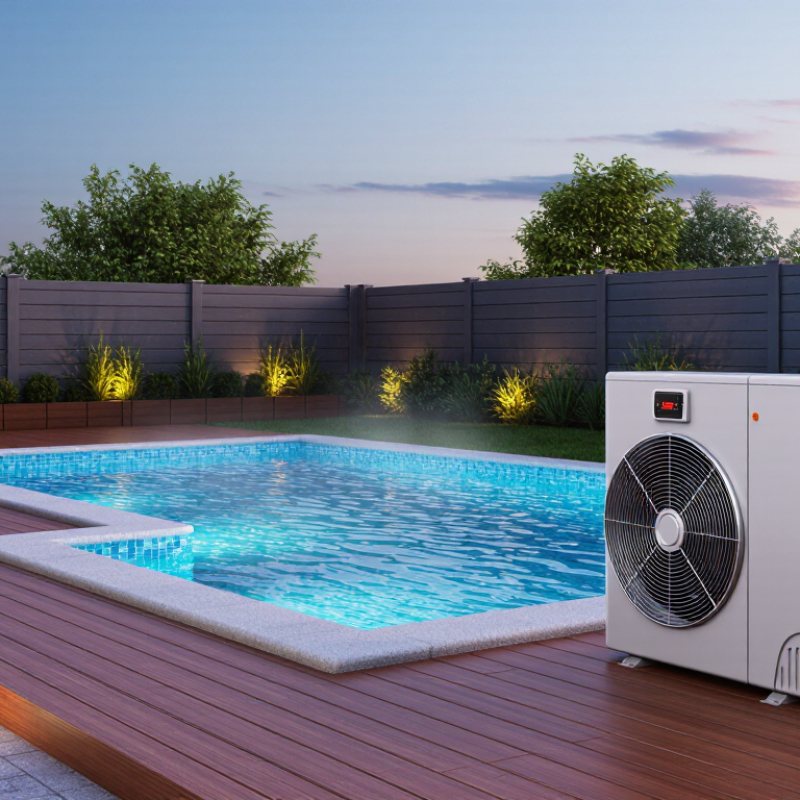
2026 Top Pool Heat Pumps Why Not Reaching Set Temperature?

How Pool Heat Pumps Reach and Maintain a Set Temperature

A pool heat pump moves heat from outdoor air into the water; it does not warm the pool instantly. Its thermostat compares the measured water temperature with your chosen setpoint. When the reading is lower, the compressor and fan run, while the circulation pump carries water through the heat exchanger. It takes time. A large pool, cool nights, or a low air temperature can slow the rise. For example, a pool set to 28°C may gain heat during the day, then lose some overnight through its surface. A fitted pool cover reduces that loss, especially when the pool is unused.

Maintaining temperature depends on steady water flow and suitable airflow around the unit. Check that the filter is clean, return jets are flowing, and leaves are not blocking the air intake. A partly closed bypass valve can reduce heat transfer, even when the display shows the unit is running. Check settings, too. Some controls use a delay or a temperature differential before restarting, so brief pauses may be normal. In damp, chilly weather, defrost cycles can also interrupt heating temporarily. If the water remains below the setpoint after extended operation, compare the displayed reading with a separate pool thermometer and note the weather and runtime. That record is not perfect, but it helps a qualified pool technician assess sizing, flow, and equipment performance.

Which Weather and Pool Conditions Can Slow Heating?

A pool heat pump draws warmth from outdoor air, so cool, damp mornings can reduce its heating output. Near the unit’s operating limit, it may pause to defrost frost on its coil. That pause is normal, but repeated cycles can slow progress. Wind also matters. It strips heat from the water surface, especially when the pool is uncovered overnight. Even a sunny afternoon may not make up for a cold, windy night.

Pool conditions add another layer. A large pool, a deep end, or water that starts far below the target temperature takes longer to warm. Shade can keep the water cooler, while a loose cover lets heat escape. Check that water is circulating steadily; a dirty filter or low flow can interfere with heat transfer. A small detail, but an important one. People sometimes blame the pump too quickly. I’d check recent air temperatures, wind, pool coverage, and the temperature difference before assuming the equipment is failing. There is some uncertainty: weather can change faster than a pool can respond, so one reading rarely tells the whole story.

How to Check Water Flow, Filters, and Temperature Settings

A pool heat pump that runs but misses its set temperature may have a simple flow problem. Check the return jets: weak movement can point to a dirty filter, closed valve, or blocked skimmer basket. Turn off the pump before opening the filter, and follow its cleaning instructions. After restarting, watch the pressure gauge. A reading that stays unusually high may mean the filter needs attention, though gauge ranges vary by system.

Next, confirm water is moving steadily through the heat pump and that its inlet and outlet valves are fully open. Look for leaves around the unit, but keep clear of the fan and electrical panels. Then check the control setting and compare it with a separate pool thermometer. Sunlight and warm plumbing can affect a quick reading. Give the system several hours to respond; pool water warms slowly, especially on cool or windy days.

Small details matter. A timer may stop circulation too early, or a recent setting change may have gone unnoticed. I have found that owners sometimes clean the filter and forget to reset a valve afterward. That is easy to miss. If flow looks normal but the temperature still will not rise, note the air temperature, runtime, and water readings before contacting a qualified pool technician.

What Equipment Problems Can Prevent the Target Temperature?

A pool heat pump can run for hours and still miss its set temperature when its output no longer matches the pool’s heat loss. Check the air intake and discharge first. Leaves, lint, or a tight fence can restrict airflow across the coil. The fan may spin, yet the unit transfers less heat. A dirty evaporator coil has a similar effect. So does a weak fan capacitor or a refrigerant leak; these require qualified service, not guesswork.

Sizing and operating conditions matter, too. The U.S. Department of Energy identifies evaporation as the largest source of pool heat loss, with wind increasing that loss. A heat pump may be working properly while the water cools faster than it can warm. Still, a sudden temperature drop deserves inspection. Verify water flow and clean the filter, because inadequate flow can trigger protection controls or reduce heat transfer. Compare the unit’s rated output with actual air and water temperatures; capacity changes with conditions. The Air-Conditioning, Heating, and Refrigeration Institute’s certification directory can help confirm published performance ratings. One detail is easy to miss: a displayed setpoint does not prove the water sensor reads accurately. A misplaced or failing sensor can make the system stop early. I would check that reading against a reliable pool thermometer before replacing parts.

Why a Pool Heat Pump May Not Reach Its Set Temperature

This illustrative example shows pool water warming more slowly than a 28°C target. Restricted airflow, low water flow, cold ambient air, and a dirty heat exchanger can reduce heat delivery. Check the unit’s operating conditions and maintenance requirements; refrigerant-system faults should be diagnosed by a qualified technician. Actual results vary with pool size, weather, and equipment.

When to Adjust the System or Contact a Pool Technician

A pool heat pump may need more time than expected, especially when nights are cool or the pool is large. Check the water temperature with a separate thermometer, then compare it with the unit’s display. A difference of a few degrees can change how you judge performance. Keep the pool cover on overnight; uncovered water can lose heat quickly. Also check that the filter is clean and water is moving steadily through the system. Low flow, a dirty basket, or blocked air intake can limit heating. Small fixes first.

Adjust the system when it runs normally but the target is simply too ambitious for current weather or pool use. Raise the setting gradually, and allow a full day to see whether the water responds. Avoid changing several controls at once; it becomes hard to tell what helped. If the unit repeatedly stops, shows an error, leaks, makes a new grinding sound, or fails to warm the water despite good flow, contact a qualified pool technician. Do not open electrical panels or refrigerant lines yourself. Those parts need proper training and tools. I’ve seen owners wait too long because the pump still sounded “fine.” Sound alone can mislead. Share the temperature readings, error codes, and operating hours with the technician; specific details make diagnosis more reliable.

FAQS

Why might a pool heat pump run without reaching its set temperature?

Weak water flow, a dirty filter, closed valves, or a blocked skimmer basket can limit heating. Cool or windy weather can also slow warming.

How can I check whether water flow is adequate?

Look for steady movement at the return jets and check that the heat pump’s inlet and outlet valves are fully open. Weak jets can signal a flow problem.

What should I do before opening the filter?

Turn off the pump and follow the filter’s cleaning instructions. After restarting, check the pressure gauge; an unusually high reading may need attention.

How can I verify the pool’s temperature?

Compare the heat pump display with a separate pool thermometer. Sunlight and warm plumbing can skew a quick reading, so check again later.

How long should I wait after changing a setting?

Allow several hours for a response. For a gradual adjustment, give the system a full day. Pool water warms slowly.

What simple steps may help the pool retain heat?

Keep the pool cover on overnight, clean the filter, and make sure water circulates steadily. A cover can reduce overnight heat loss.

When should I contact a qualified pool technician?

Call if the unit repeatedly stops, shows an error, leaks, makes a new grinding sound, or fails to heat despite good water flow.

What details should I share with the technician?

Note the air temperature, pool temperature readings, error codes, and operating hours. These details help, though they may not explain everything.

Can I inspect electrical panels or refrigerant lines myself?

No. Do not open them; they require proper training and tools. Sound alone can mislead, even when the pump seems to run normally.

Conclusion

A pool heat pump may take longer to reach its target temperature than expected because its performance depends on outdoor air temperature, wind, humidity, pool size, water volume, and heat loss. A pool cover can help retain warmth, while cold nights or frequent exposure to wind may slow heating. Asking “Why is my pool heat pump not reaching the set temperature?” is a good reason to check whether the temperature setting is correct and whether the system has been given enough time to work.

Next, confirm that water is circulating freely: inspect the filter for blockage, check that valves are positioned correctly, and make sure the flow rate meets the equipment’s requirements. If these checks do not help, possible causes include a dirty heat exchanger, a sensor issue, or another equipment fault. Adjusting the heating schedule or improving heat retention may be sufficient, but persistent problems, unusual noises, error alerts, or poor water flow should be assessed by a qualified pool technician.

Oliver

Oliver

Oliver is a seasoned marketing professional with a wealth of expertise in driving brand awareness and engagement. With a deep understanding of our company's product offerings, he consistently delivers high-quality content that enriches our professional blog. His insights not only shed light on......